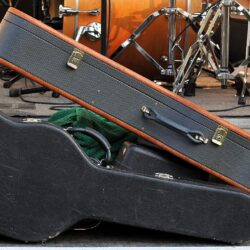
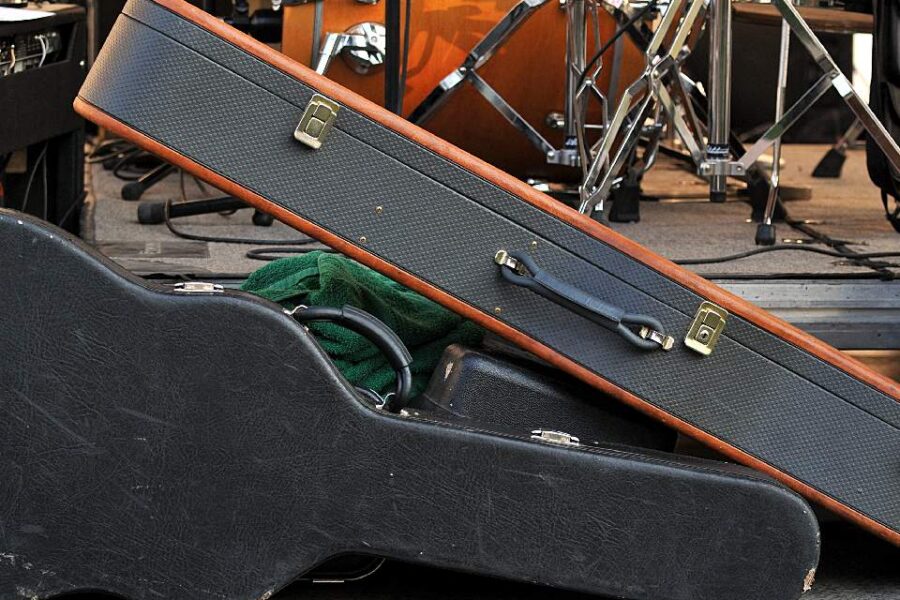
Are you in a band? Where is your space for your group to gather for rehearsal? What about space to properly and safely store all the musical instruments and equipment in between rehearsals and gigs? Space is always a challenge when starting a musical career or joining a band. And, once the band forms, there is a considerable amount of equipment with large storage containers that need to be kept ready to go for the next performance opportunity.
Even for the individual musical artist, sometimes it becomes necessary to find a place to safely store an instrument over a long period of time. We can help with that with our self- storage opportunities.
It is important to consider how you are preserving the quality of your instruments in order to maintain longevity of the most important part of your band and/or personal music interests. This can help prevent damage from shift in temperature that could damage wood and metal elements of instruments.
HOW CLIMATE CONTROLLED STORAGE CAN HELP YOUR INTRUSMENTS
Understanding how a storage environment can affect your instrument’s quality is essential. If you don’t have a suitable space at home, consider using a climate-controlled storage unit.
Here are some key factors to keep in mind when choosing a storage area:
Temperature: One of the most important things to consider when storing a musical instrument is the air temperature of the storage area. Extreme heat or cold can be damaging by causing the instrument to improperly expand or contract.
Humidity: Humidity is also not a friend of instruments. The moisture created by humidity can cause instruments to shrink or expand, and on metal instruments, can cause rust and mildew.
Sunlight: Direct sunlight over a long period of time on an instrument can damage the finish of the instrument and effect the delicate parts of the instrument.
PREPARING INSTRUMENTS FOR STORAGE
Though most musical instruments require the same basic storage conditions, it’s important to understand the unique risks each type faces. Be sure to clean the instruments, polish brass, oil woodwinds, and loosen tension on stringed instruments (guitars, violins) and drum heads before putting in hard cases for storage.
Here are some suggestions when disassembling and cleaning your instrument for storage:
- Remove any mouthpieces, slides, valves, or hardware.
- Loosen or remove any strings to relieve tension and prevent damage.
- Use appropriate supplies such as microfiber cloths, soft-bristle brushes, mild soap solutions, and oils to clean the instrument.
- Ensure the instrument is completely dry before storing it to prevent rust, mold, cracking, or shrinkage.
USE PROPER CASES FOR STORAGE
Store instruments in hard-shell cases rather than gig bags, packed with acid- free tissue paper for added protection. Secure all instrument parts with straps, soft padding, or foam inserts to prevent displacement. If you don’t have a hard instrument case, create a protective wrapping using a soft cloth, blanket, pillowcase, or fabric bag. When closing the case, check that all zippers and latches are tightly fastened.
TIPS FOR PLACING YOUR INSTRUMENT INTO THE STORAGE UNIT
Whatever you do, make sure to keep the instruments being stored off the ground surface. Raise instruments off the floor using pallets or shelving to prevent moisture absorption.
Here are some storage solutions to consider:
- Utilize storage racks or shelves: If you opt for wooden or metal shelves, use padded cushions to help prevent scratches and place heavier instruments on the bottom and lighter ones on top to ensure stability.
- Hang instruments: Use high-quality hooks and hangers to securely attach instruments like guitars to the wall.
- Use storage cabinets: This option provides an enclosed space that helps keep your instruments protected while still offering easy access.
LONG TERM STORAGE TIPS FOR INSTRUMENTS
Whether you store your instrument at home or in a storage facility, inspect it every one to six months for signs of damage.
To help prevent damage, follow these maintenance tips:
- Regularly check instruments for signs of damage—including warping, cracking, rust, corrosion, mold, mildew, string tension loss, and finish damage.
- Tighten loose parts and reapply oils to help preserve appearance and prevent corrosion or warping.
- Periodically check the storage environment’s temperature and humidity levels to ensure they remain stable.
String Instruments: Store on their back or in a vertical rack, never leaning for long periods. These instruments are vulnerable to wood warping, cracking, shrinkage, or expansion if exposed to fluctuating temperatures and humidity.
Brass/Woodwind: Store in cases, ideally disassembled to prevent damage. Brass component are prone to rust or corrosion if stored in damp or humid conditions. High humidity and direct sunlight can cause warping, swelling, or damage to delicate pads on woodwind instruments.
Pianos/Keyboards: Cover with breathable, soft cloths for dust protection. Direct sunlight or fluctuating humidity can lead to cracking or warping of wood and plastic components.
Electronics: Use silica gel packs inside cases to keep electronics dry.
Percussion instruments: Wooden parts can warp and metal components can rust if not kept in a stable, dry environment.
HOW TO STORE INSTRUMENTS CONCLUSION
There are no administrative fees or hidden costs when you rent a self-storage unit at Macho Self Storage for your musical instruments. When we quote you a rate, that’s the rate you pay! Also, you will receive 50% off your first month’s rent (restrictions apply) and a FREE lock for your storage unit.
In addition to all these amenities, we carry all the specialized packing and protective supplies you might need for your climate-controlled unit. Whether you are storing your instruments long-term between tours, have a growing collection that has outgrown your home studio, or run a music business and simply need more inventory space—we have your storage solutions!